
26. XI – 16. XII 2024.
November 26 – December 16, 2024
Curator: Svetlana Mladenov
Jovan Soldatović (RS) / Alfred Kramar (AT): RODE
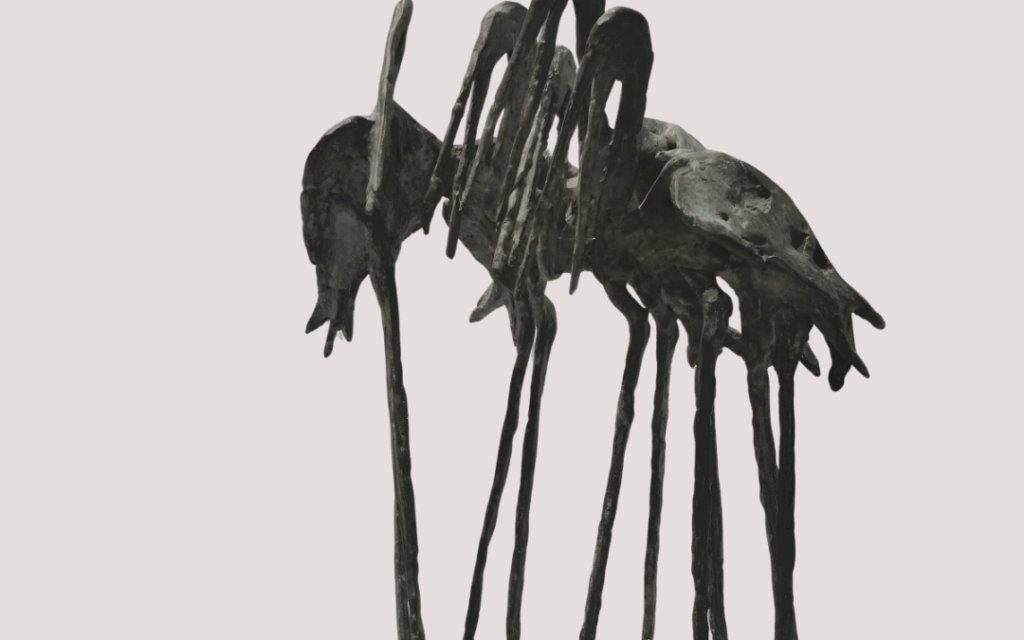
The Kramar Collection White Storks in dialogue with the sculptures of Jovan Soldatović.
The exhibition RODE explores the connection between two distinct artistic strategies: Kramar’s, oriented toward research in the field of photography, and Soldatović’s, realized through sculptural forms. The encounter of these two artistic concepts reveals a shared respect for elongated, elegant forms. Kramar expresses this in his photographs dedicated to storks. Whether he photographs the birds themselves or their symbols-objects devoted to them-he is fascinated by the vertically positioned form (a stork standing on one leg, with its long neck raised and extended). He finds motifs for his photographs in Austria, Croatia, Serbia, Romania, Moldova, Hungary, and Poland.
The idea of verticality is a constant presence in the work of the sculptor Jovan Soldatović. It is prominently and consistently represented throughout the artist’s entire oeuvre, especially in his poetic and metaphorical approach to the theme of the human figure, and in his animalistic works, in the figure of the stork or heron. Galerija Bel Art presents this exhibition in collaboration with the Austrian Cultural Forum in Belgrade, commemorating the birthday of one of the most prominent artistic figures of the Yugoslav space in the second half of the 20th century, whose sculptures have left a lasting mark on the identity of Vojvodina and Novi Sad.
Foto: Feđa Kiselički
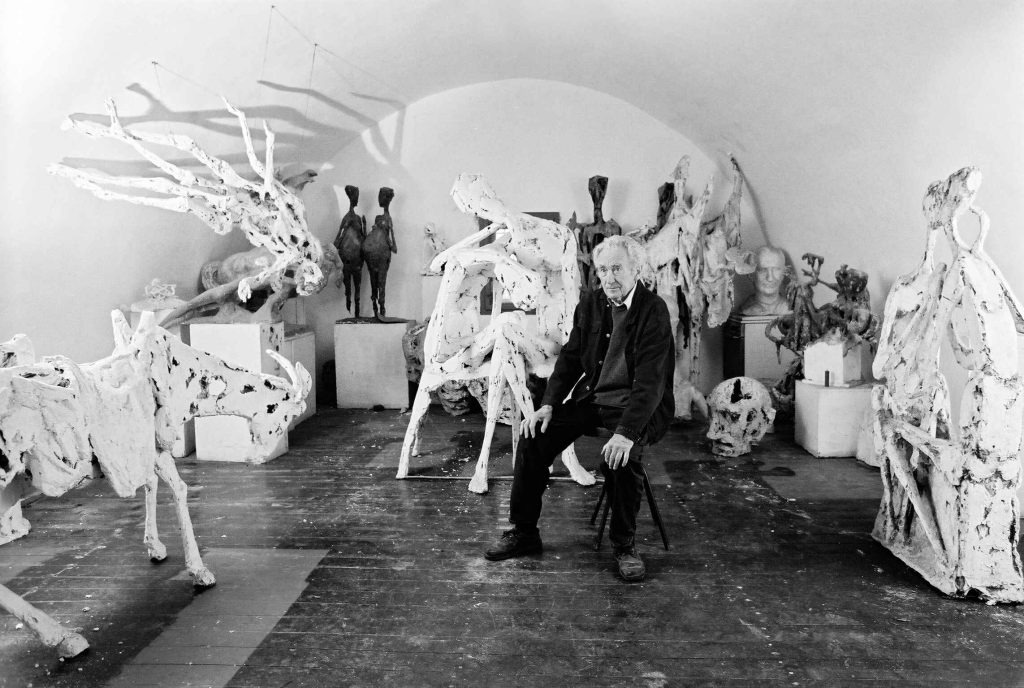
Jovan Soldatović (Čerević, Serbia, 1920 – Novi Sad, 2005) graduated from the Academy of Fine Arts in Belgrade in 1948, specializing in sculpture under Professor Toma Rosandić. From 1949 to 1953, he worked as an assistant to master sculptor Toma Rosandić in the State Master Workshop. He held his first solo exhibition at the Graphic Collective Gallery in Belgrade in 1952. In 1953, he returned to Novi Sad, where he participated in the founding of the sculpture department at the Higher Pedagogical School, becoming its first professor of sculpture. He also contributed to the establishment of the first artist studios at Petrovaradin Fortress. As a recipient of the “Moša Pijade” scholarship, he spent two months in London and Paris in 1965. Until his retirement, he served as an associate professor at the Academy of Arts in Novi Sad. Soldatović received numerous awards and recognitions for his artistic work. His works are included in museums and private collections both in Serbia and internationally, and he is the author of a large number of public sculptures and monuments.
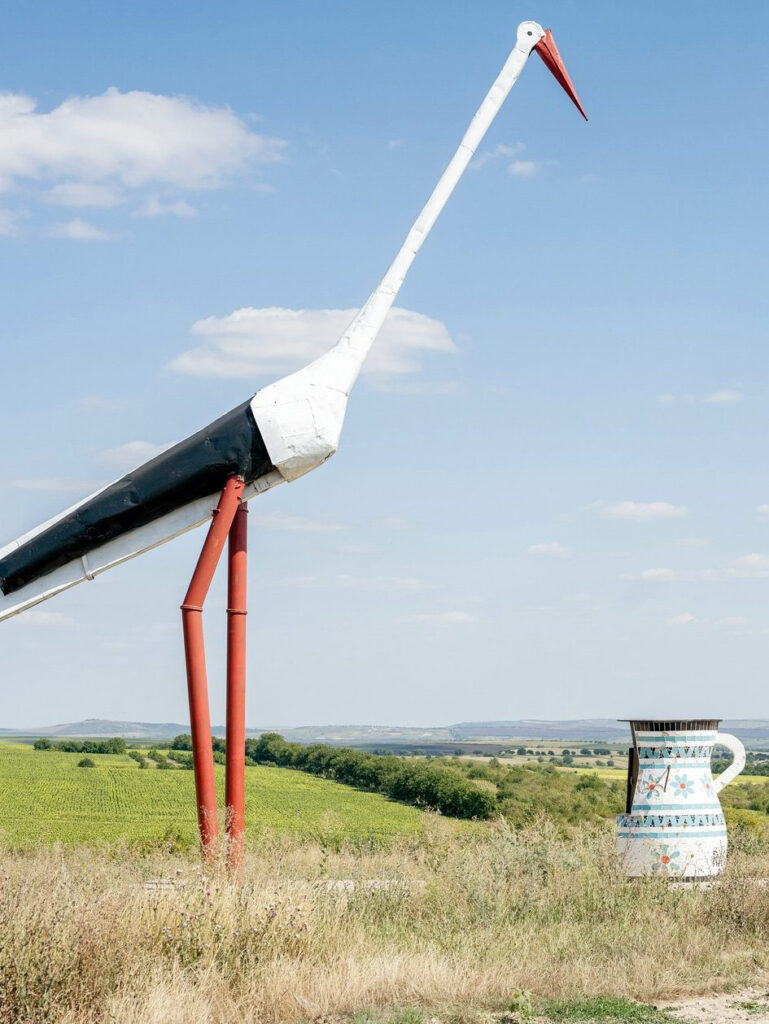
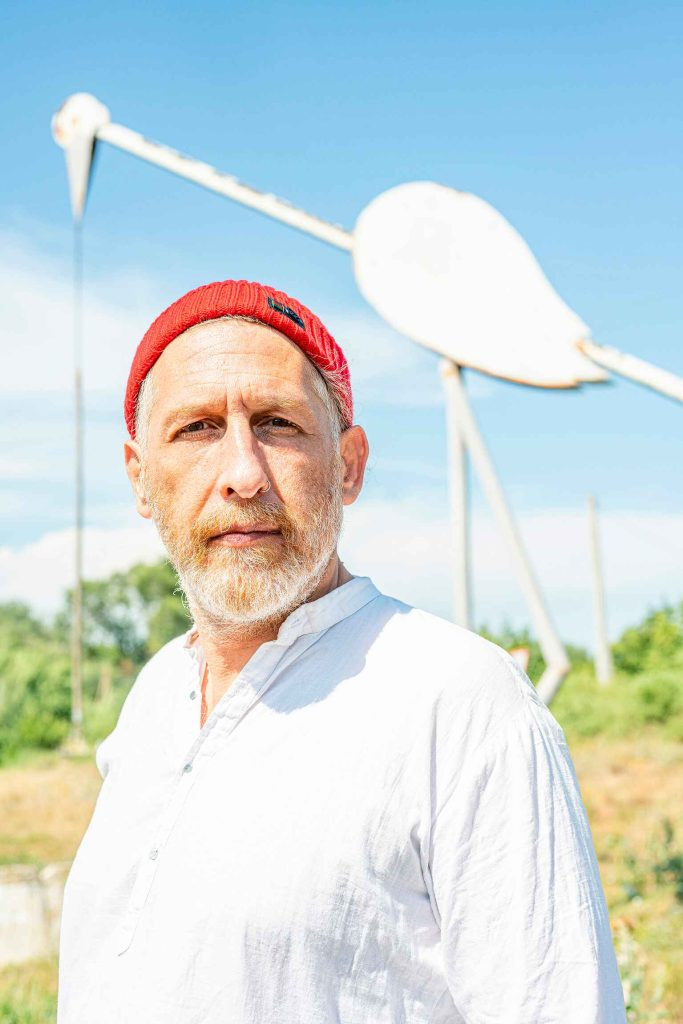
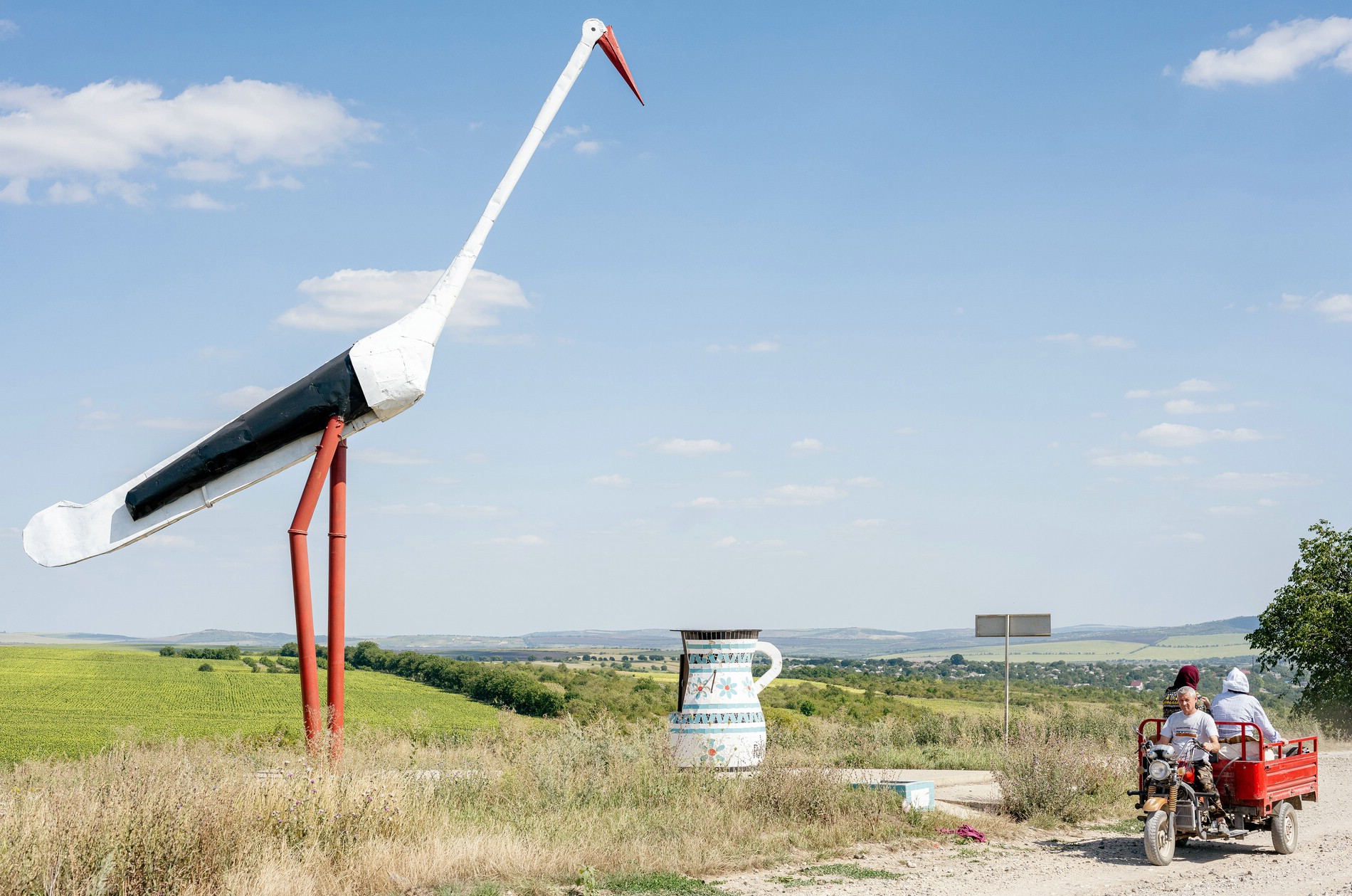
Kramar (Vienna, Austria, 1971) studied communications, history, and politics in Vienna but eventually left his studies after many years. He is a conceptual photographer working for various artistic, design, cultural, and social institutions in Vienna, Lower Austria, and Burgenland, and operates internationally as an artist and author. Kramar has traveled throughout the Balkans since the early 1980s—first with his parents, then independently—exploring various topics in Eastern Bloc countries and their successor states, particularly Moldova, Romania, Bulgaria, and Serbia. He lives and works in Vienna, Sabari (Austria), and Tiraspol (Moldova), as well as “in-between” stops connecting these locations. In 2021, Kramar initiated the project MUSEUM FISCHKI – THING FOR MANY to musealize a collection of media and objects he has gathered. He uses images and objects resembling the contents of old museum drawers as both a collection and a tool for narrative storytelling and historical commentary. His Storkland project, launched in 2019 and still ongoing, reflects his fascination with white storks and their appearance in various forms. Storkland tells the story of the storks he has encountered, using digital photography with a 50mm lens and collected objects as his media. These “museum drawers” create a dialogue with the sculptures of Jovan Soldatović.